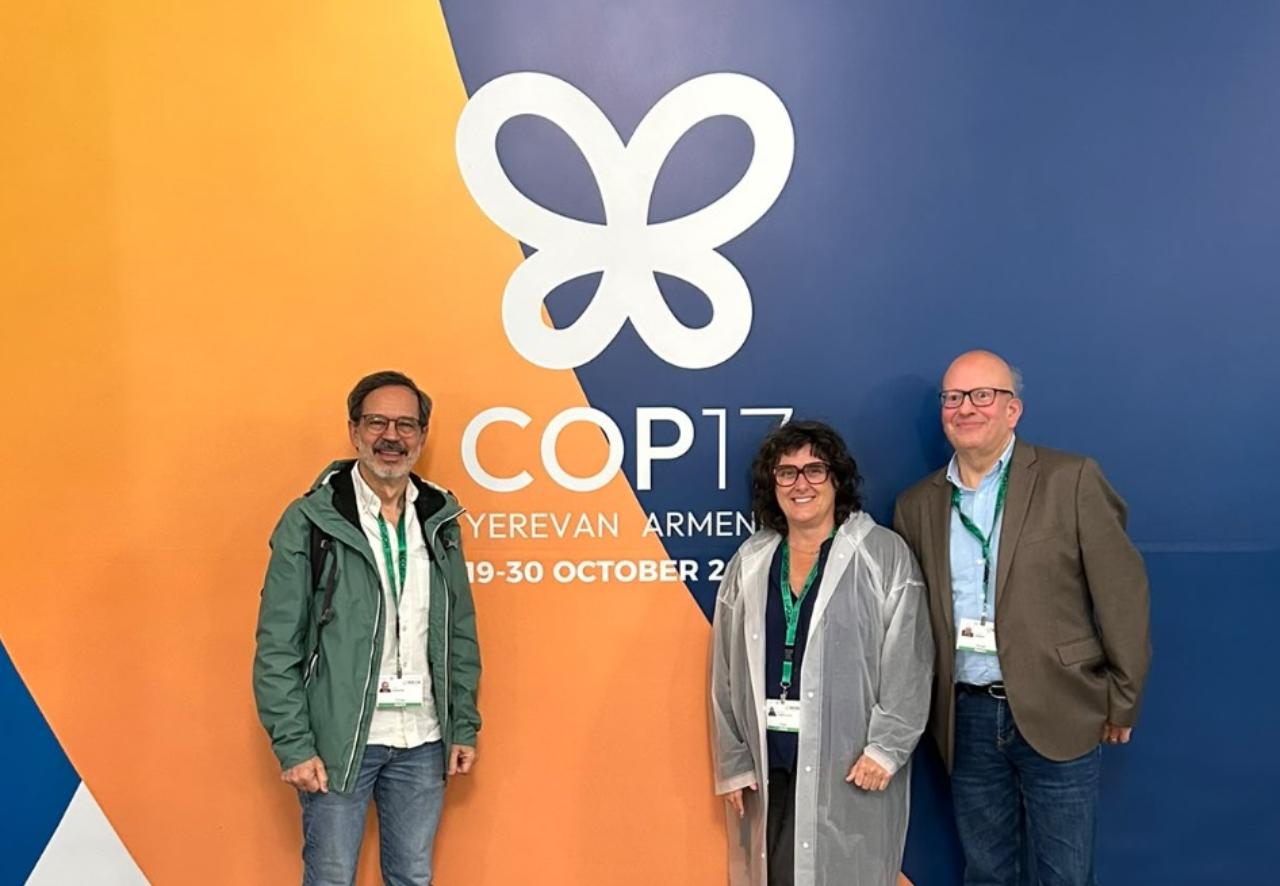
By Francisco Ferreira.
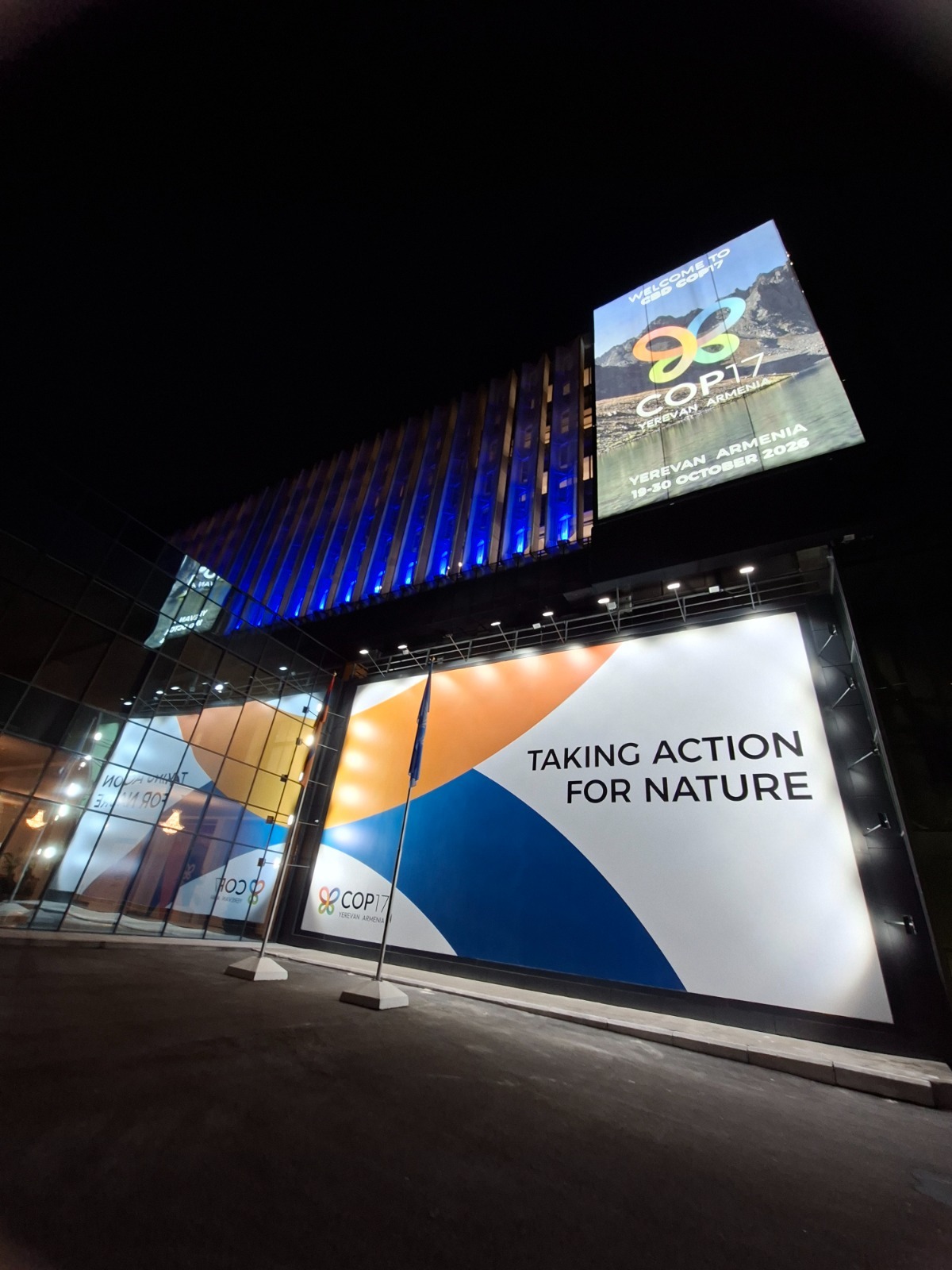
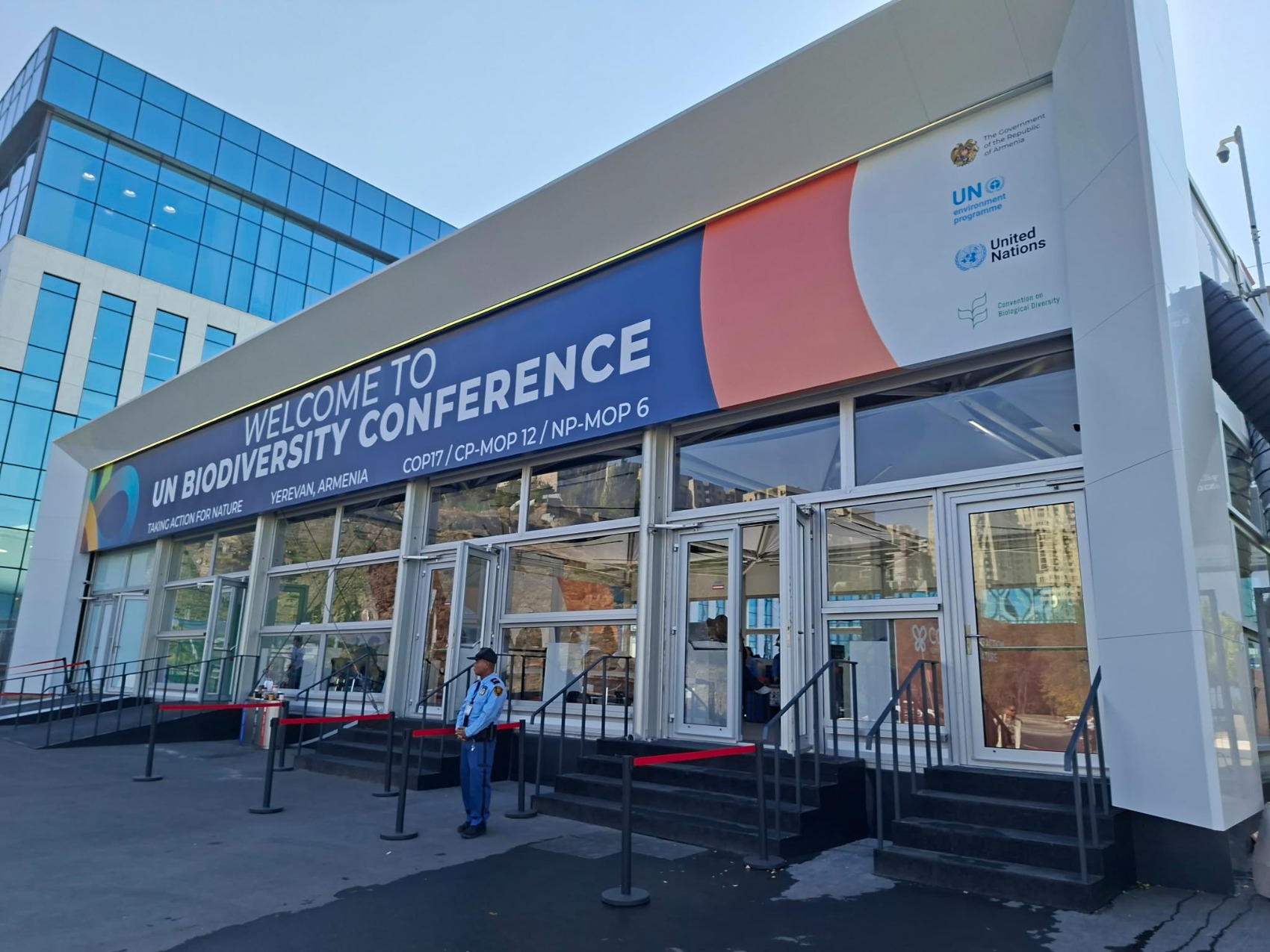
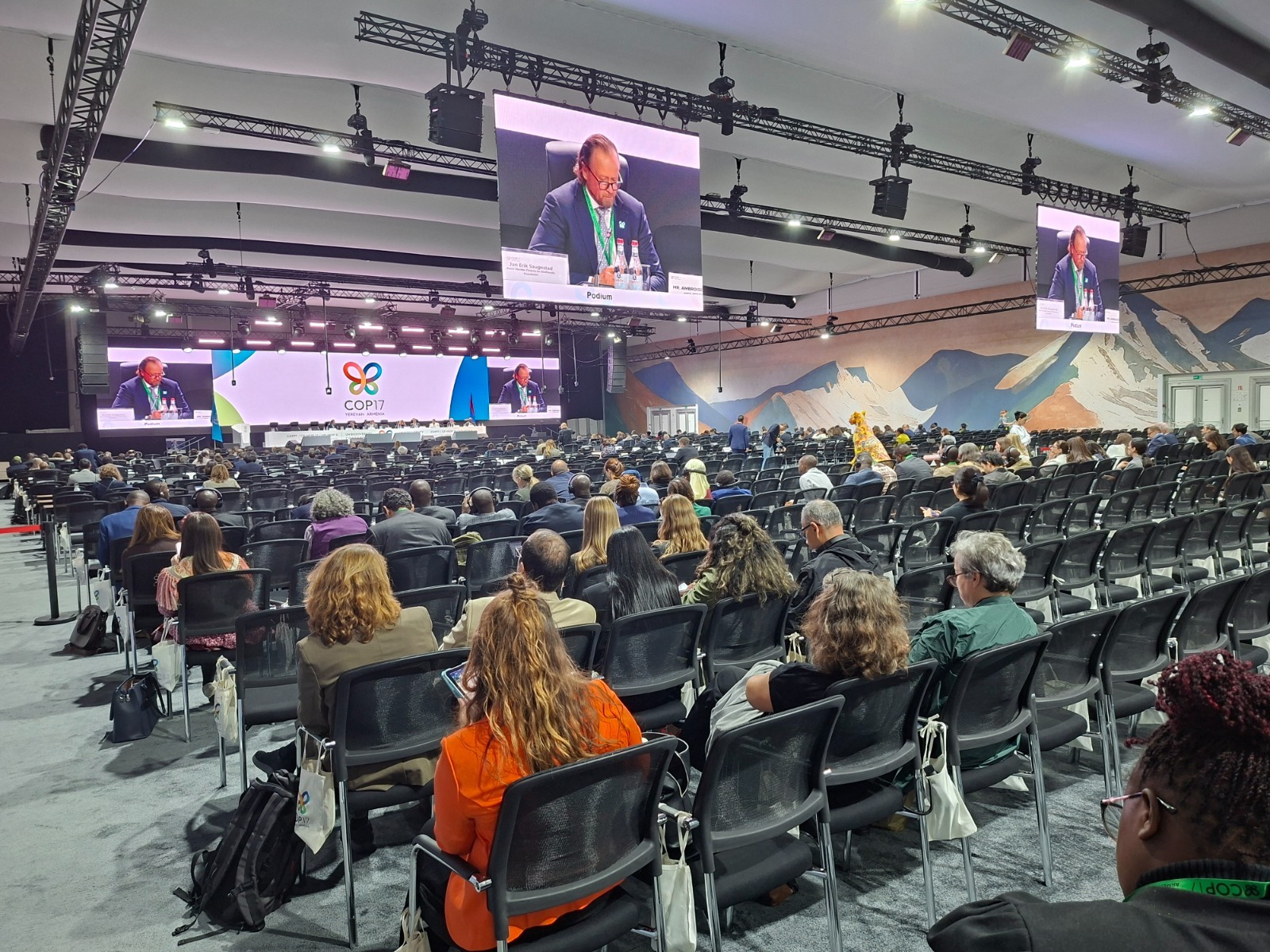
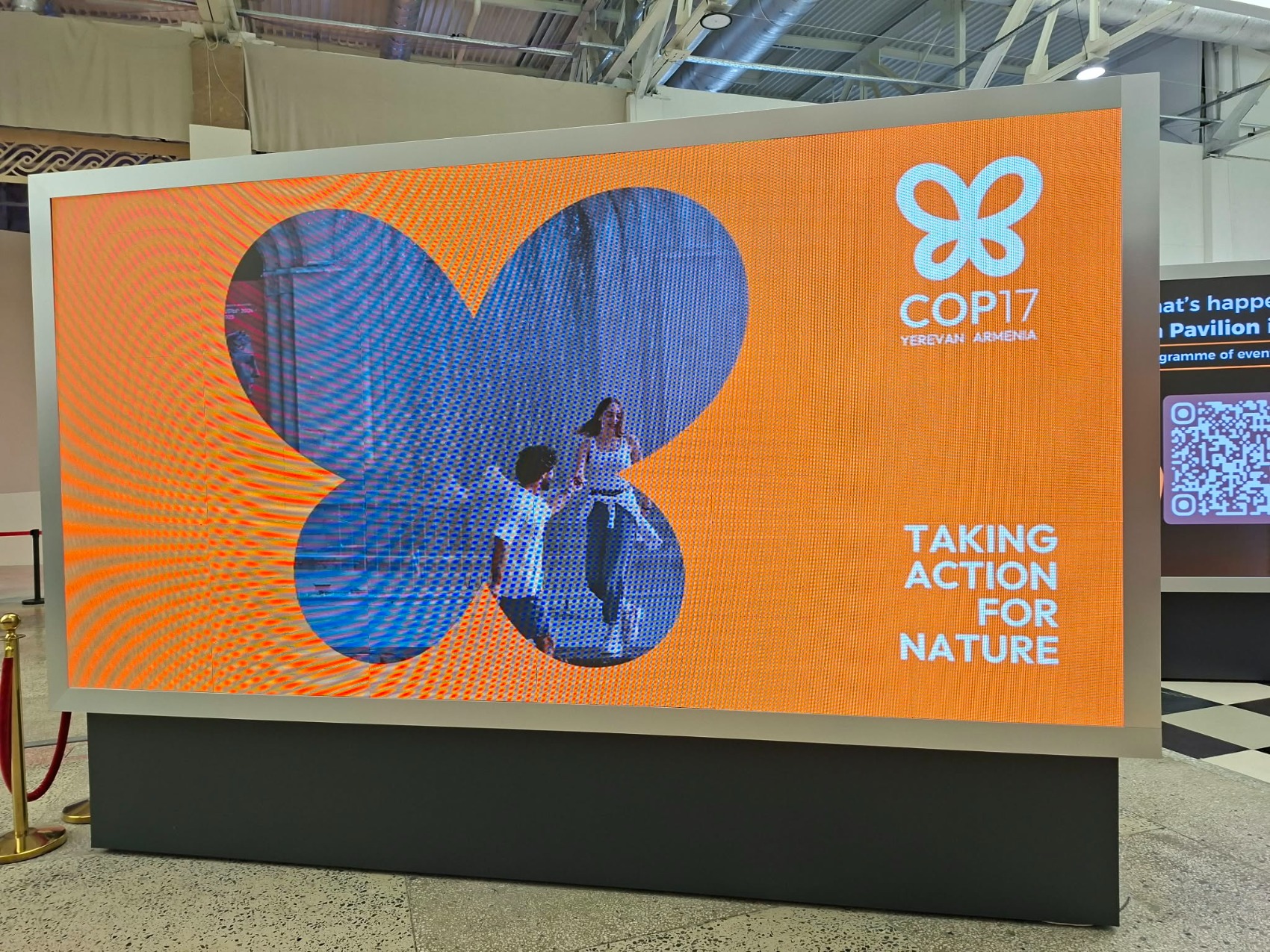
The United Nations Biodiversity Conference in Yerevan (COP17 by the Convention on Biological Diversity) ended this saturday, October 31st, with a troubling contrast between scientific evidence and political action.
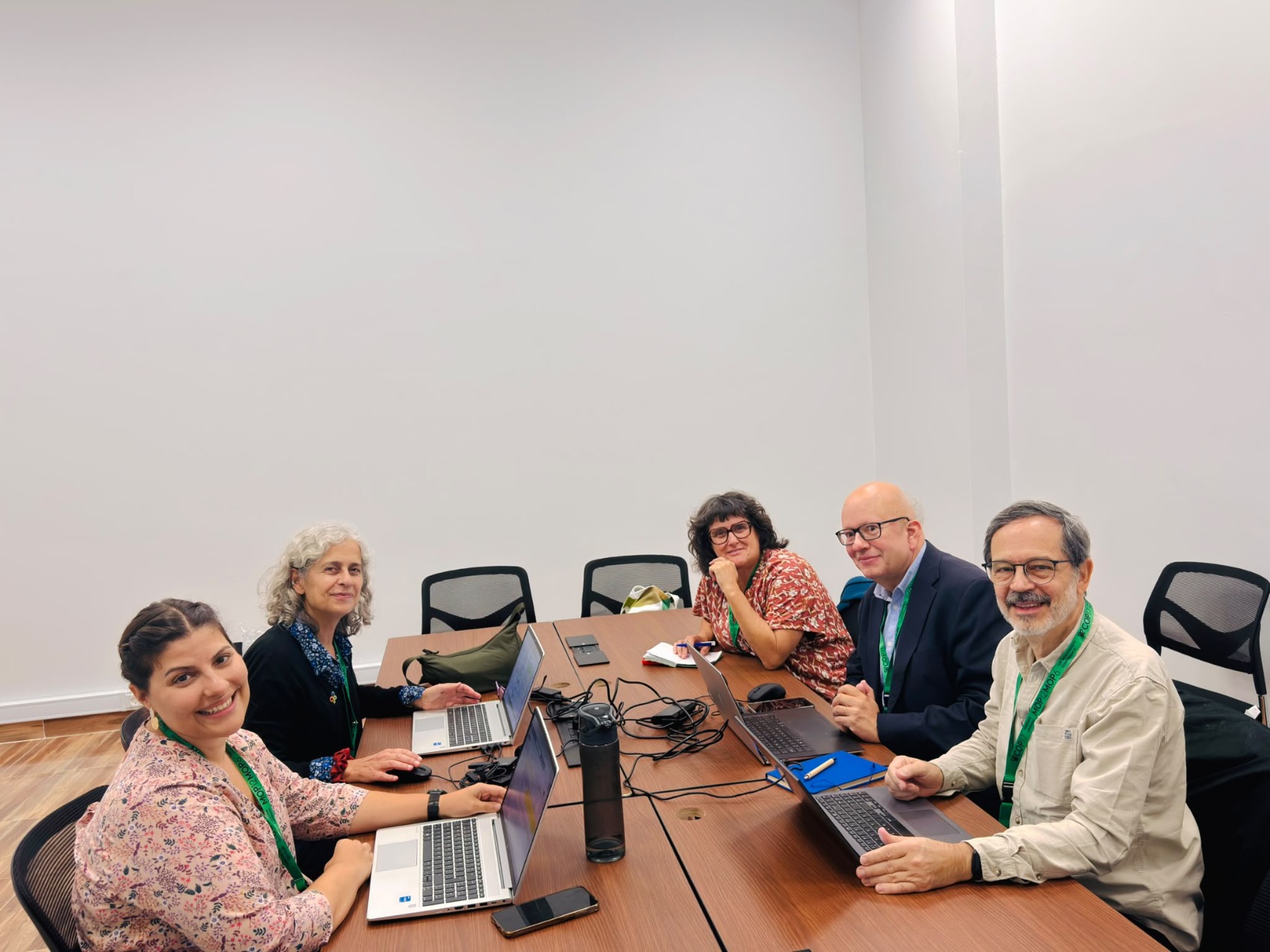
Two scientists from CHANGE, Francisco Ferreira from CENSE and Jorge Palmeirim from CE3C actively participated in the negotiation in the Portuguese delegation, by invitation from the Institute for Nature Conservation and Forests (ICNF).
The first global review of the Kunming-Montreal Global Biodiversity Framework shows that fewer than half of assessed national targets are on track for 2030. Even if current commitments are fulfilled, major conservation goals will remain unmet.
Despite technical progress, key decisions on financing were postponed, harmful subsidies remain insufficiently addressed, and some negotiations weakened references to science and human rights.
As scientists, we know that protecting intact ecosystems, restoring degraded habitats and addressing the connections between biodiversity, climate, water, food and health are essential. Better monitoring, stronger scientific evidence and meaningful community participation must guide action.
The real challenge is no longer just understanding biodiversity loss, but translating knowledge into effective policies.
In conclusion, the gap between what science tells us and what governments deliver remains deeply concerning. Nature cannot wait until 2028.
Text and photos by Francisco Ferreira.